
Planning for retirement?
Wonder if a Gold IRA beats stocks for long-term safety.
This comparison shows how each handles market ups and downs, inflation, and economic shifts.
You’ll get clear pros and cons to pick what’s best for your future.
Understanding Gold IRAs
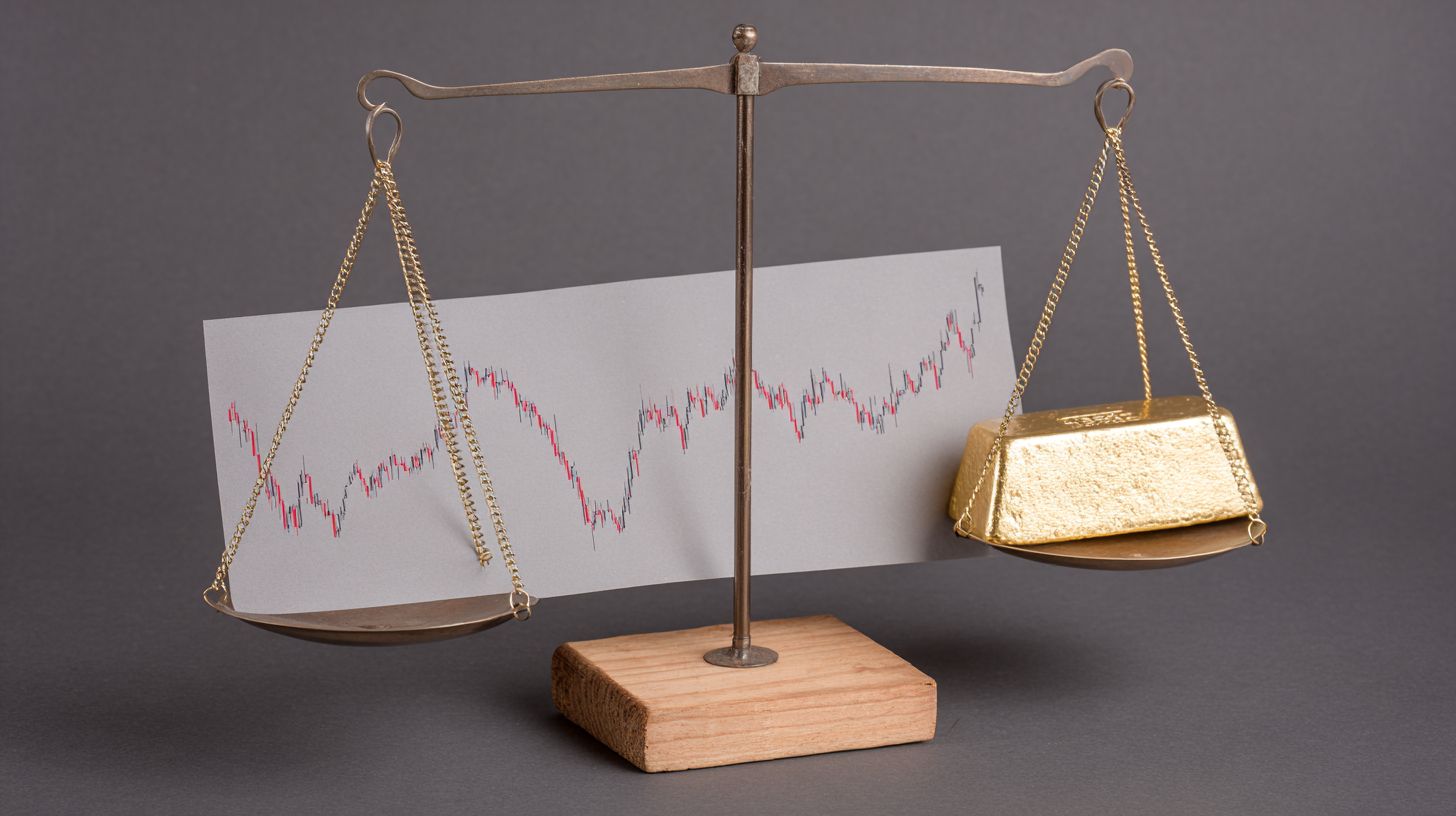
A Gold IRA lets retirement savers add physical gold and other precious metals to their portfolio.
It uses a self-directed IRA approved by the IRS.
You hold bullion (solid gold blocks), coins, or bars instead of stocks or mutual funds.
This brings diversification to your retirement savings.
Gold IRAs fit different needs:
- Traditional IRA: Tax-deferred growth.
- Roth IRA: Tax-free withdrawals.
- SEP Gold IRA: For self-employed people.
Each follows IRS rules for approved metals.
Use qualified custodians and depositories for compliance.
Unlike stock IRAs, Gold IRAs use tangible assets stored securely.
They cut exposure to market swings.
People love them as a safe haven in tough times.
Proper setup shields your retirement from currency drops.
Watch for ongoing storage fees and lower liquidity than stocks or ETFs.
The physical gold gives top security for the long haul.
Check IRS guidelines first, as experts advise.
How Gold IRAs Work
Pick a specialized custodian for IRS-approved physical gold coins or bars.
Store them in an approved depository.
Firms like Equity Trust make it easy.
This keeps everything legal.
Fund it with a rollover or transfer from your IRA or 401(k).
It takes 1-2 weeks, and direct transfers skip tax hits.
Dodge mistakes like non-approved metals, such as some foreign coins.
- Pick an IRS-approved custodian expert in precious metals.
- Fund via rollover or contribution. Confirm it’s tax-free.
- Choose eligible items like American Eagle coins or approved bullion bars.
- Set up secure, insured storage in a depository.
Track price swings and fees after setup.
Gold skips dividends from stocks or miners.
You get a self-directed account built for stability, not fast profits.
Key Benefits for Long-Term Safety
Gold IRAs give real asset ownership for portfolio stability in shaky economies.
You cut counterparty risk – no relying on company success like stocks.
Perfect for retirement security seekers.
Gold fights inflation as a hedge.
It keeps your buying power strong for decades.
When money loses value, gold stays solid unlike volatile stocks.
Boost retirement security with diversification beyond stocks, bonds, or mutual funds.
Gold shines as a safe haven in tough times.
Pair it with traditional investments for perfect balance.
Get the same tax perks as other IRAs.
Secure depository storage guards against theft.
Liquidity lags stocks, but long-term protection wins out.
Understanding Stock Investments
Stock investments expose retirement portfolios to company ownership and broader market growth.
You gain this through shares, ETFs (exchange-traded funds), or funds focused on sectors like gold mining.
Investors buy shares to gain partial ownership in companies, from tech giants to mining companies.
This approach offers potential for dividends and capital appreciation in a self-directed IRA.
Gold Stocks provide indirect exposure to precious metals.
You avoid physical storage, but they track gold prices plus company-specific risks like operational challenges.
General market indices like those covering broad equities contrast with sector-specific options.
- Diversification across stocks helps manage volatility in long-term investing.
Types of Stocks and Market Exposure
Stocks range from individual company shares like mining companies to diversified ETFs and mutual funds tracking gold industry performance.
Gold mining stocks, such as Barrick Gold Corp, offer leveraged exposure to Gold prices.
They amplify gains during price rises but heighten risks in downturns due to operational costs.
Gold ETFs like GLD give easy access without owning physical bullion.
They trade like stocks on exchanges, fitting well in Roth or traditional IRAs for liquidity.
Precious metals mutual funds pool investments across miners and related assets.
They suit investors seeking professional management amid economic uncertainty.
| Type | Liquidity | Minimum Investment | Expense Ratios |
|---|---|---|---|
| Gold Mining Stocks | High (exchange-traded) | Low (per share) | Varies by company |
| Gold ETFs (e.g., GLD) | High | Low | Around 0.40% |
| Precious Metals Mutual Funds | Moderate | Higher | Typically 0.5-1.5% |
Historical Performance Trends

Stocks show strong growth in expansions but big drops in recessions.
In bull markets, mining companies often beat the market as gold price climbs.
They hedge inflation, boosting retirement savings.
Bear markets like 2008 hit mining stocks hard.
Leverage magnified losses when gold stalled.
Gold stocks bring volatility unlike steady index funds.
Diversify your IRA to balance risks now!
Risk Profiles Compared
Gold IRAs and stocks have different risks profiles shaped by their underlying assets and market dependencies.
Gold offers physical stability as a safe haven.
Stocks carry company and market risks.
In a Gold IRA, hold physical gold in IRS-approved storage.
It protects against inflation with low stock correlation.
Self-directed IRAs allow this diversification, balancing retirement portfolios.
Stocks face market risks from earnings and events.
Blend with gold for security.
Gold’s stability suits conservative retirement savers, while stocks appeal to those seeking growth.
Consider mining company stocks versus bullion in a Roth IRA for varied exposure.
Custodian fees and storage costs apply to Gold IRAs, impacting net returns.
Volatility and Market Fluctuations
Key differences:
- Stocks: High volatility from earnings and sentiment.
- Gold: Stable, tied to demand.
Drawdowns: Stocks drop deep; gold shallower with quick recovery.
| Risk Criteria | Gold IRA | Stocks |
|---|---|---|
| Volatility | Lower, tied to commodity cycles | Higher, driven by earnings and sentiment |
| Drawdown Risk | Shallower declines in uncertainty | Deeper drops in bear markets |
| Recovery Time | Quicker rebound as safe haven | Longer, dependent on economic recovery |
Limit single holdings to manage stock volatility.
Pair with gold in IRAs for less fluctuation.
Inflation and Economic Protection
Gold hedges inflationary periods and economic uncertainty, resisting currency drops.
Stocks suffer from rising rates.
- Ray Dalio sees Bitcoin as ‘digital gold’.
- Warren Buffett prefers productive stocks.
Balance views with portfolio diversification.
Dividend-paying stocks suffer in inflation from higher borrowing costs.
Gold holds value due to scarcity.
For practical advice, consider allocating a portion of your self-directed Gold IRA to Physical Gold held in a secure depository.
This hedges against economic uncertainty while stocks provide growth potential, ensuring comprehensive long-term investing strategy.
Historical Performance Data
Key periods:
- 1970s: Gold surged in stagflation; stocks struggled.
- 2000-2011: Gold beat S&P in crises.
- 1990s: Stocks boomed in tech.
Visualize this with the line chart below comparing gold vs. S&P 500 over decades.
It reveals gold’s lower volatility during crises, aiding long-term IRA strategies.
Investors balance both for retirement security, considering costs like storage and custodian fees.
Diversification Strategies

Mix gold stability with stock growth.
Reduces risks fast.
Experts recommend allocating a small portion to Physical Gold in a self-directed Gold IRA.
This approach protects retirement savings without over-concentration in volatile equities.
Complement with gold mining stocks or Gold ETFs for added exposure.
Annual rebalancing keeps your asset allocation on track.
Address challenges like storage costs and liquidity by choosing IRS-approved custodians and depositories.
This maintains long-term security in traditional or Roth IRAs.
Step-by-Step Allocation to Physical Gold IRA
- Open self-directed Gold IRA with IRS custodian.
- Transfer funds penalty-free.
- Allocate 5-10% to coins/bars.
Next, select precious metals like American Eagle coins or Canadian Maple Leaf bars for purity and liquidity.
The custodian arranges secure storage in an approved depository, covering fees for insurance and audits.
This step ensures compliance and safety.
Monitor contributions annually, adjusting for market prices.
Use this allocation as a safe haven asset during stock market downturns.
Physical gold provides stability that complements equity growth.
Complementing with Gold Mining Stocks and ETFs
- Add gold mining stocks like Barrick for leverage.
- Use ETFs for easy diversification.
Balance this with Mutual Funds focused on precious metals.
These investments add income streams while hedging against inflation.
Limit exposure to avoid over-reliance on Mining Companies sector volatility.
Gold ETFs trade like stocks, offering high liquidity for quick adjustments.
Pair them with physical gold to blend stability and upside.
This mix enhances overall portfolio diversification.
Annual Rebalancing and Addressing Challenges
Rebalance yearly: Sell winners, buy laggards.
Watch Gold IRA fees.
Watch for storage costs and custodian fees in Gold IRAs, which can impact returns.
Compare providers for competitive rates on secure depositories.
Liquidity risks in physical metals require planning for conversions if needed.
Mitigate tax implications by sticking to IRA rules.
Regular reviews ensure your retirement investments align with goals amid economic shifts.
This approach builds long-term security.
Tax Advantages and Costs
Gold IRAs offer familiar IRA tax deferral alongside specific costs for custody and storage that differ from stock trading fees.
Traditional IRA Gold IRAs let contributions grow tax-deferred until withdrawal in retirement.
This setup appeals to investors seeking to shield physical gold or precious metals from current taxes.
Roth IRA Gold IRAs provide tax-free growth for those who qualify, meaning qualified withdrawals escape taxes entirely.
Self-employed individuals often choose SEP Gold IRA s for higher contribution limits and similar tax benefits.
These options integrate gold as a hedge against inflation within retirement savings.
Costs for Gold IRAs include custodian setup, annual maintenance, and secure storage, which add up over time.
Stock investing, by contrast, faces minimal brokerage commissions per trade.
Understanding these differences helps balance tax advantages against ongoing expenses in a diversified portfolio.
| Fee Type | Gold IRA Range | Stocks Range |
|---|---|---|
| Custodian Setup | $50-100 | N/A |
| Annual Fees | $100-300 | $0-100 |
| Storage | $100-200/year | N/A |
| Trading Commissions | $50-100 | <$1/trade |
Liquidity varies too, as selling physical gold coins or bars from an IRA involves custodian processes and potential delays.
Stocks offer quick sales through brokerage accounts during market hours.
Investors weigh these factors for long-term retirement security.
Which Is Safer Long-Term?

For long-term retirement safety, Gold IRA s provide unmatched stability as a physical asset, while stocks offer growth best within a diversified portfolio.
Gold acts as a safe haven during economic uncertainty and inflation.
It holds value when markets drop, thanks to its low correlation with stocks.
This makes it ideal for capital preservation over decades.
Stocks, including those in Mutual Funds or Mining Companies, drive income and growth.
Yet they face higher volatility and risk of permanent loss in downturns.
Experts recommend a hybrid approach for balanced long-term safety.
Hybrid wins: 10-20% gold + stocks.
Review with advisor for IRS fit.
Criteria Checklist for Risk Tolerance
Use this simple checklist to assess your fit for Gold IRA or stocks in retirement planning.
Act now!
- Do you prioritize capital preservation over high returns? Favor gold.
- Are you comfortable with market volatility for potential growth? Lean toward stocks.
- Is your time horizon 20+ years? Stocks may suit better with diversification.
- Do you worry about inflation eroding savings? Gold serves as a strong hedge.
- Can you handle storage fees and custodian costs? Essential for physical gold or bullion.
Mark your answers to guide decisions.
A mix often works best for most investors.
Gold IRA: Stability and Preservation
Gold IRAs hold physical metals like coins or bars in IRS-approved depositories.
They protect against economic uncertainty as a tangible asset.
This setup ensures long-term stability in self-directed, Roth, or traditional accounts.
During inflation, gold retains purchasing power better than paper assets.
It avoids company-specific risks seen in stocks or mining companies.
For example, in past recessions, gold prices rose while stocks fell.
Key drawbacks include storage costs, lower liquidity, and no dividends.
Choose a reputable custodian to manage compliance and security.
Ideal for conservative retirement savers.
Stocks: Growth with Higher Risks
Gold Stocks in ETFs, Mutual Funds, or individual companies offer income via dividends and capital gains.
They excel in bull markets for portfolio growth.
Yet volatility can lead to significant drawdowns.
Unlike physical gold, stocks tie to corporate performance and market cycles.
A tech stock boom boosts returns, but a sector crash wipes gains.
Diversification across sectors reduces some risks.
Tax advantages exist in retirement accounts like Roth IRA and Traditional IRA, but sequence risk threatens near-retirees.
Stocks suit those with high risk tolerance and long horizons.
Balance with hedges like Physical Gold and precious metals.
Why a Hybrid Approach Wins
Combine Gold IRA and SEP Gold IRA allocations with Stocks for optimal safety.
Gold provides a buffer during downturns, letting stocks recover.
This diversification minimizes permanent loss risks.
Aim for 10-20% in gold bullion, Coins, Bars, or Gold ETFs alongside Mutual Funds and stock funds.
Adjust based on your checklist results.
It captures growth while securing against inflation and crashes.
Regular reviews with a financial advisor ensure IRS alignment.
This strategy fits most retirement goals, blending stability and income effectively, outperforming approaches from investors like Warren Buffett, Ray Dalio, Barrick Gold Corp, Mining Companies, and Gold Stocks, while safer than CDs or American Eagle alone.