
Ever wonder why gold prices swing up or down? It all boils down to supply and demand, the basic forces that set the market. You’ll see how mining output, investor buying, and other factors push prices around.
Understanding Supply and Demand Basics
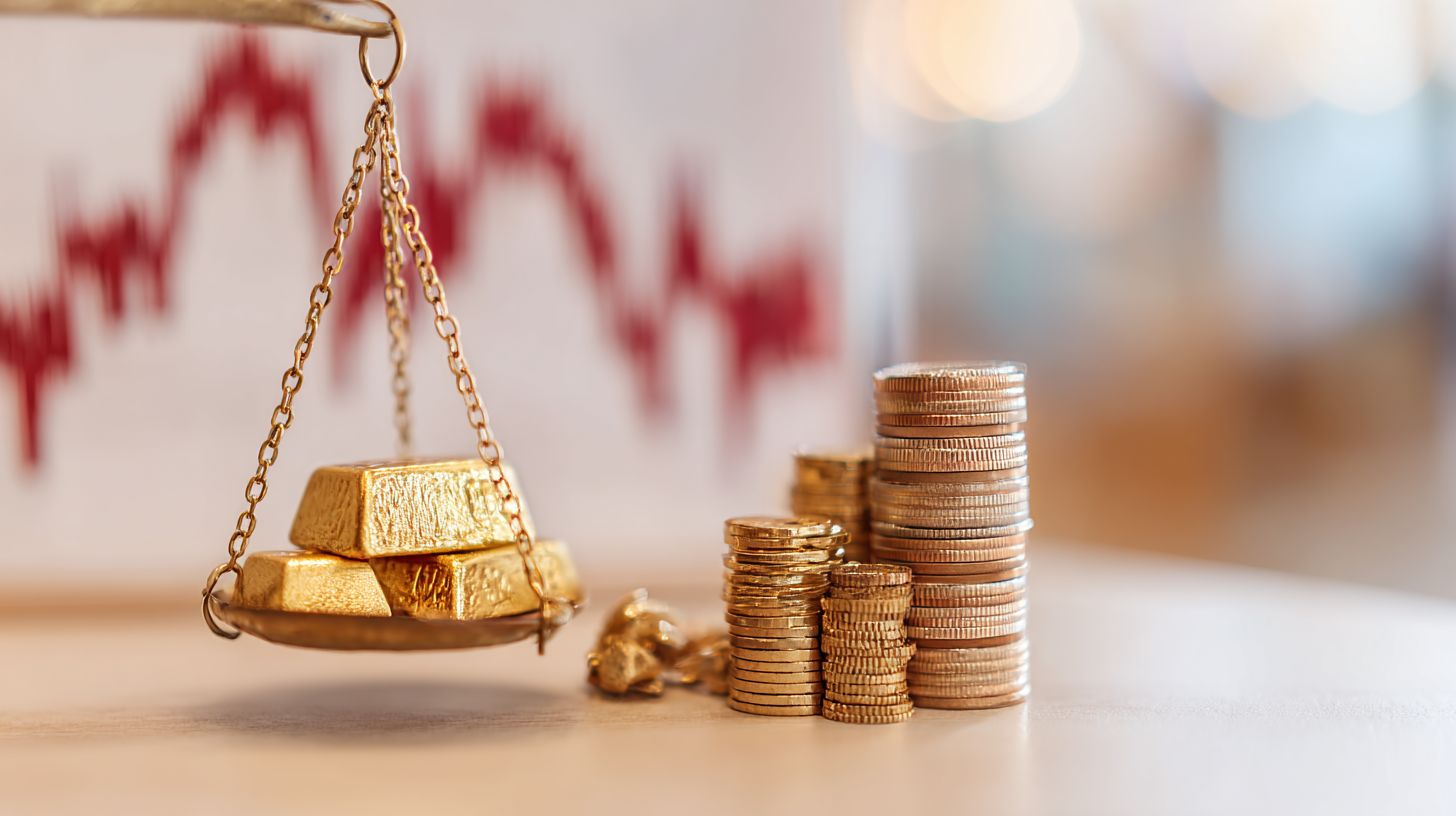
Gold prices fluctuate based on supply and demand. Limited supply meets changing buyer interest. When supply tightens or demand surges, prices adjust fast. This basic rule drives gold’s ups and downs as investors react to world events.
Consider a simple everyday analogy: coffee prices rise during shortages from poor harvests, much like gold prices climb when mine production lags behind investment flows. Buyers compete for limited stock, pushing values higher until new supply enters or interest cools. Investors tracking gold market movements can apply this logic to anticipate price swings.
In gold markets, factors like central bank purchases or economic uncertainty amplify demand, creating a safe haven rush similar to stocking up on essentials in uncertain times. Supply inelasticity means production cannot quickly ramp up, sustaining upward pressure. Monitoring these dynamics helps in portfolio diversification strategies.
Practical advice includes watching recycled gold volumes and technology demand, which add layers to supply basics. Short-term traders spot opportunities in FOMO factor-driven spikes, while long-term holders focus on inflation hedges. This foundational understanding equips you to navigate gold’s price movements effectively.
Law of Supply and Demand
The law of supply and demand sets gold prices. Prices rise when demand beats supply. They fall the other way.
Supply comes from mining, recycling, and reserves. Demand stems from jewelry, investment, and central banks. This balance drives daily LBMA price changes.
Picture investors rushing to buy bars, coins, and ETFs during geopolitical risks. This beats steady mine production and drives prices up. Economic uncertainty sparks safe-haven buys, like holiday jewelry rushes. Imbalances form fast!
- Track the LBMA price daily to spot supply-demand shifts.
- Check World Gold Council reports on tonnes and ounces for production trends. (Note: standardized ‘tonne’ to ‘tonnes’)
- Use dollar-cost averaging to handle short-term volatility. (Note: removed hyphen for consistency)
Don’t ignore seasonal demand in jewelry. It creates price floors.
Factor in production costs and central bank moves. This sharpens your investment decisions in volatile markets. (Fixed grammar: ‘give the power tos’ ‘sharpens’)
Gold Supply Factors
Gold supply remains relatively fixed due to its supply inelasticity, with key sources including mining output, central bank reserves, and recycled gold material influencing long-term availability. Unlike other commodities like oil or agricultural products, gold production cannot quickly scale with price movements. This slow response creates supply constraints during periods of high demand and market volatility, such as in 2024.
Investors struggle to assess these factors during economic uncertainty and geopolitical risks.
- Mining takes years.
- Central bank actions signal big shifts.
- Recycling gives short-term flexibility.
Each source plays a distinct role without overlap. Supply inelasticity acts as a natural buffer against sudden demand spikes from inflation fears or safe-haven buying. Experts recommend monitoring these for long-term gold prices trends into 2025.
Track World Gold Council reports and LBMA flows.
Skip FOMO in rallies. Use dollar-cost averaging. Gold’s supply makes it a rock-solid pick!
Mining Production
Mining production, tracked by the World Gold Council, represents the primary new supply source, measured in tonnes or ounces annually. High production costs establish a natural price floor, below which many operations become unprofitable. This limits rapid expansions during price surges.
New mines take over 10 years to develop. Investors miss this supply inelasticity and expect fast changes like other markets.
Watch all-in sustaining costs (AISC). They show if mines stay profitable.
- Rising energy and labor costs squeeze supply.
- This boosts long-term stability for physical gold or ETF holders.
Actionable steps include reviewing quarterly reports from major producers. This reveals bottlenecks from geopolitical risks or regulations. Monitoring helps anticipate short-term squeezes and informs portfolio diversification.
Central Bank Reserves
Central banks hold vast gold reserves and influence supply through buying or selling decisions that can stabilize or disrupt market flows. These strategic reserve shifts differ from mining‘s fixed timelines, offering signals of global confidence. Purchases during economic uncertainty often tighten supply and lift gold prices.
Investors gain actionable insights by monitoring central bank announcements. For example, diversification away from fiat currencies boosts demand and reduces available gold. This contrasts with commercial selling in calm periods.
Such moves act as a safe haven indicator amid inflation or currency woes. Unlike recycled gold, reserve changes reflect policy over profit. Tracking them helps predict investment flows into 2025.
Practical advice: Follow IMF or official statements for early warnings. This avoids surprises from large sales or buys. Integrating into analysis supports informed decisions on bars, coins, or ETFs.
Recycling and Scrap
Recycled gold from scrap jewellery and electronics provides flexible secondary supply that responds more quickly to price movements than mining. This adds elasticity when prices rise, drawing from above-ground stocks. It quantifies a key difference from primary mine production.
Investors should watch scrap flows via LBMA data for signals. Response time spans weeks, not years, making it a short-term buffer. High prices prompt selling of old chains or circuit boards.
Recycling eases pressure from tech or investment demand peaks. It can’t fix mining delays fully.
Steps for analysis: Compare recycling trends with World Gold Council updates. This highlights limits of secondary supply. Use for timing entries amid FOMO or dollar-cost-averaging.
Gold Demand Drivers
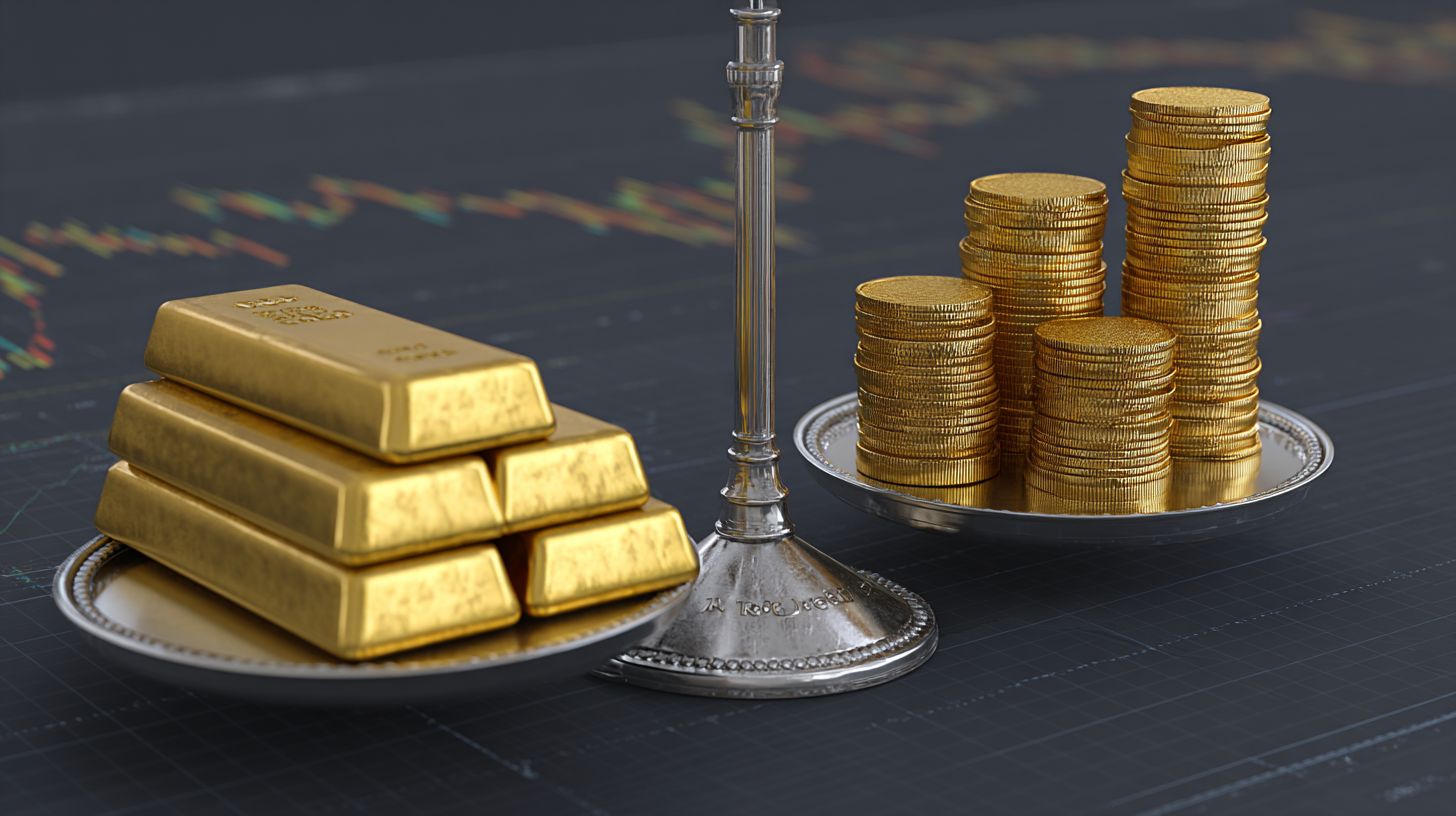
Diverse demand from jewelry, technology demand, and investors drives gold prices, with each sector reacting differently to economic uncertainty. Cultural demand for gold remains steady, rooted in traditions across Asia and the Middle East. In contrast, investment flows prove volatile, surging amid inflation or geopolitical risks.
Gold shines as a safe haven in uncertainty. Tech sectors steadily pull gold for electronics and EVs.
- Track seasonal jewelry peaks and ETF inflows.
- Watch central banks diversifying reserves.
This mix shakes the LBMA price! (Note: ‘jewellery’ ‘jewelry’ for US consistency)
Zero in on demand drivers for smart buys. Grab physical bars and coins, or liquid ETFs.
Jewelry and Industrial Use
Jewelry dominates cultural demand in markets like India and China, while industrial applications in electronics highlight gold’s unique conductivity. Consumers buy gold for weddings and festivals, creating predictable seasonal peaks. This steady baseline contrasts with investment volatility.
Track seasonal jewelry peaks, such as during wedding seasons in Asia, to anticipate demand surges. Rising smartphone production boosts industrial pull, as gold enables reliable connections in circuits. EVs and AI further grow technology demand for high-performance components.
Industrial use sets a price floor. It soaks up supply via recycling.
Jewelers stock up before peaks. Watch global trends for signals.
For investors, this sector offers stability amid economic uncertainty. Pair it with supply metrics like mine production for balanced views. Recycled gold from old jewelry supplements fresh demand, easing short-term pressures.
Investment Demand
Investment demand surges during uncertainty, fueled by retail and institutional buyers purchasing ETF s, bars, and coins. Investors flock to gold as a hedge against inflation and dollar weakness. This flow often overshadows steady jewelry use.
- ETFs: Easy portfolio access.
- Physical gold: For long-term holders.
Dodge FOMO peaks that crash later.
Recommend dollar-cost-averaging for long-term entry, buying fixed amounts regularly to smooth volatility. Central banks bolster demand by accumulating tonnes for reserves. Geopolitical risks trigger sharp inflows, impacting short-term price movements.
Use physical gold for portfolio diversification, allocating alongside stocks and bonds. Watch central bank purchases and ETF holdings for sentiment shifts. This approach counters market volatility effectively.
Price Equilibrium and Shifts
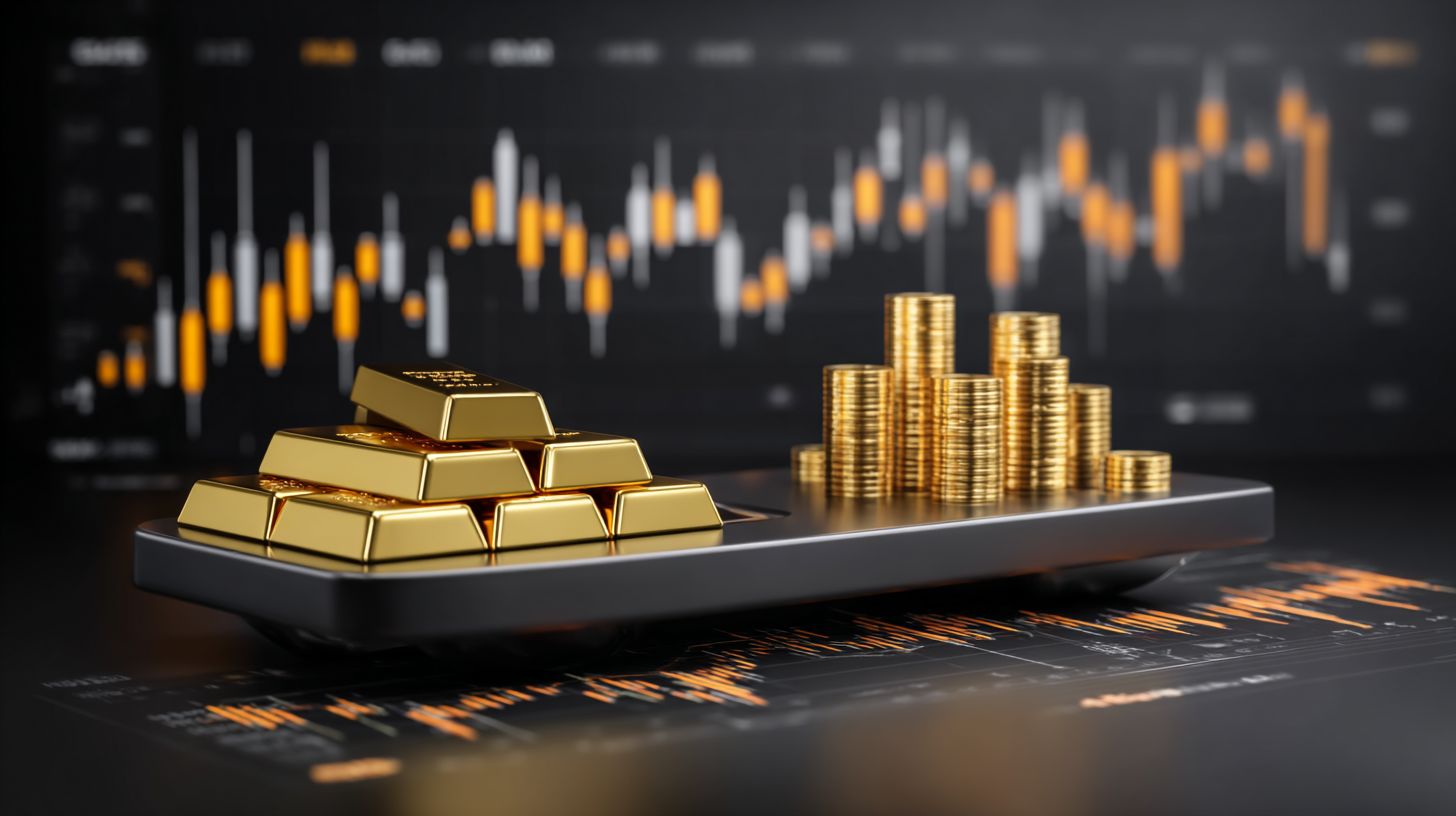
Gold achieves price equilibrium where supply matches demand, but shifts occur from imbalances like supply inelasticity meeting sudden demand spikes. When mining output cannot quickly adjust, even modest demand increases push prices higher. This creates opportunities for investors to anticipate movements.
Spot shifts fast:
- Surplus: Supply tops demand (e.g., more recycling). Prices drop.
- Deficit: Demand wins (e.g., bank buys). Prices soar!
Use actionable tools like charting LBMA price against World Gold Council supply data in tonnes or ounces. Compare physical bar and coin demand with production costs to gauge imbalances. This helps track volatility drivers such as geopolitical risks or economic uncertainty without overlap from other factors.
For 2024-2025 outlook, watch gold prices near $2,700 per ounce as a potential price floor amid inflation and safe haven demand. Central banks and ETF inflows could sustain upward pressure if mine production lags. Investors might use dollar-cost-averaging for long-term portfolio diversification during these shifts.
Market Examples of Impact
Real-world events like COVID-19 and central bank buying illustrate how supply-demand dynamics create dramatic price movements. These cases show gold’s sensitivity to economic uncertainty and investor behavior. Investors can learn from them to navigate market volatility.
During the COVID-19 pandemic, demand surged as a safe haven amid lockdowns and uncertainty. Central banks increased gold purchases, tightening supply. This pushed gold prices sharply higher.
In 2011, inflation fears drove investors to gold, creating a peak amid global economic worries. Production constraints from mining highlighted supply inelasticity. Such events underscore gold’s role in portfolio diversification.
| Event | Supply/Demand Shift | Price Impact |
|---|---|---|
| COVID-19 demand surge | Increased safe haven demand, central bank buying | Prices rose to over $2,000/oz |
| 2011 inflation fears | Investment flows amid economic uncertainty | Peak reached $4,135/oz |
| Recent geopolitical risks | Safe haven flows, reduced mine production | Heightened short-term volatility |
Lessons for 2025 Investors
- Act now with dollar-cost averaging amid volatility.
- Track LBMA and World Gold Council data daily.
- Diversify with gold bars, coins, or ETFs.
- Watch central banks – they’re buying big!
- Monitor mine output, recycled gold, and U.S. dollar strength.
- Skip short-term hype. Focus long-term, says Daniel Boston from Preserve Gold.